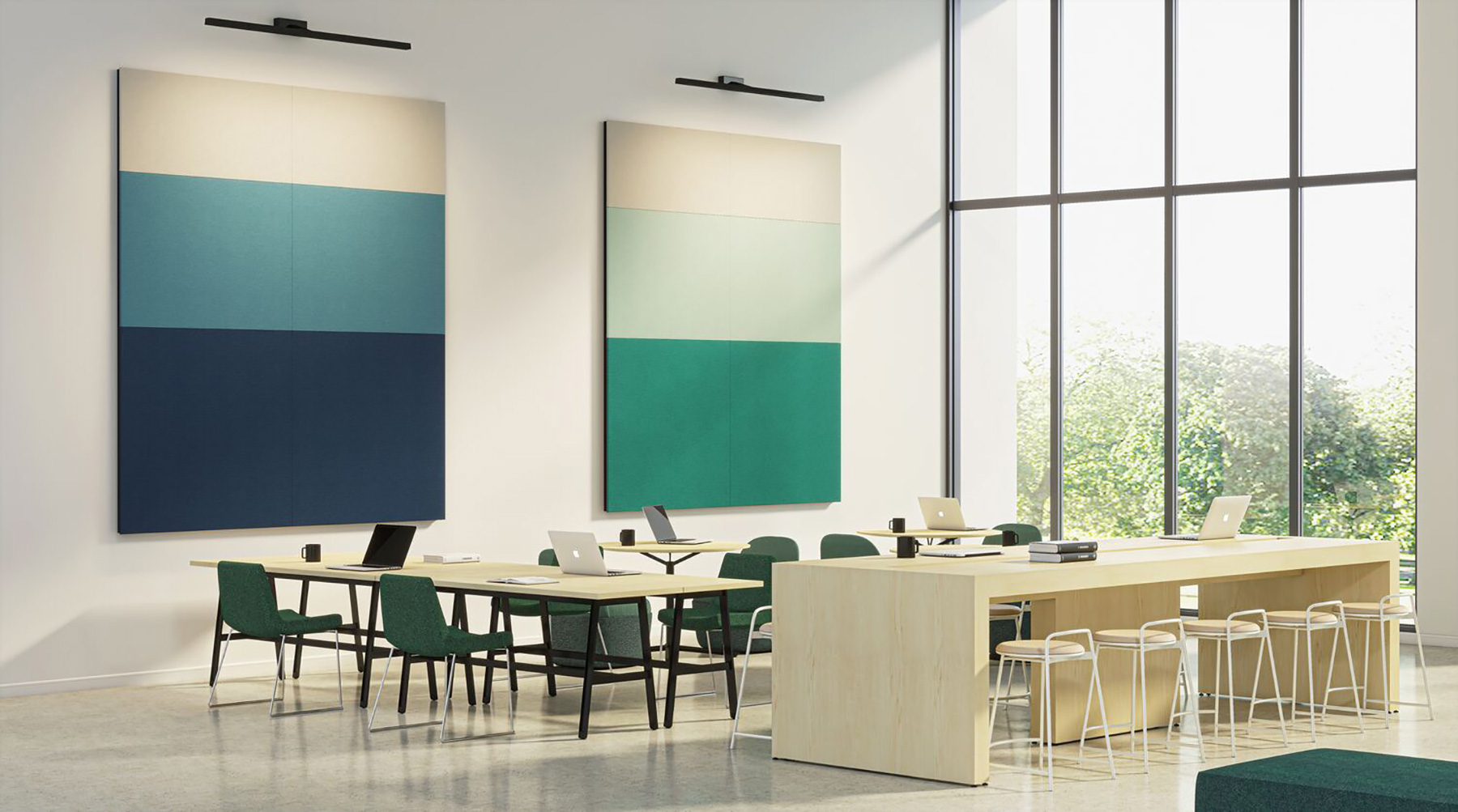
For a long time, the conversation about workplace design revolved around square footage and efficiency. How many people could we fit? How much work could happen per square foot? But somewhere along the way, we lost sight of the person inside that space.
Employees don’t just need a place to sit. They need to feel physically comfortable, mentally at ease, and genuinely welcomed. Those aren’t abstract ideals; they’re the foundation of good work. When someone feels supported, they contribute more openly, collaborate more honestly, and bring their best ideas to the table.
That shift in thinking? That’s what drives us at COREoi. We start with the human experience and build outward from there.
Designing for Bodies, Not Just Buildings
People come in all shapes and sizes. They have different postures, different preferences, and different ways of focusing. A workspace that ignores that reality is not only inefficient – it’s also uncomfortable.
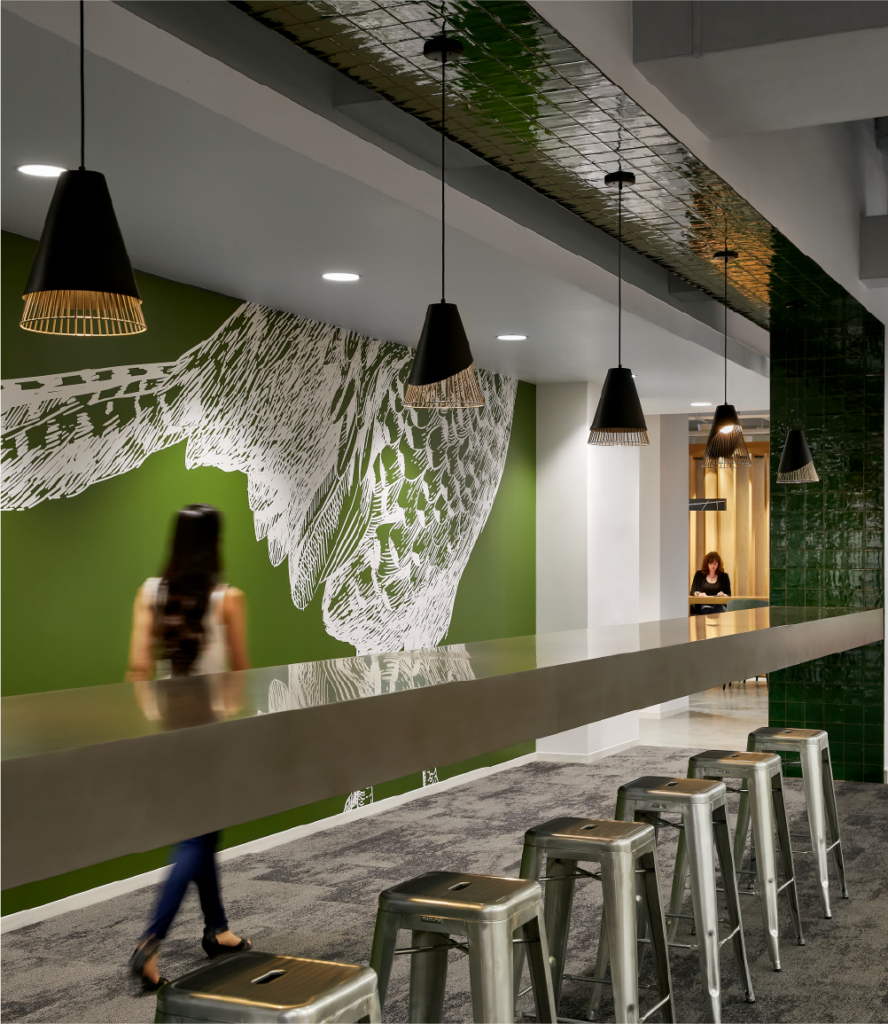
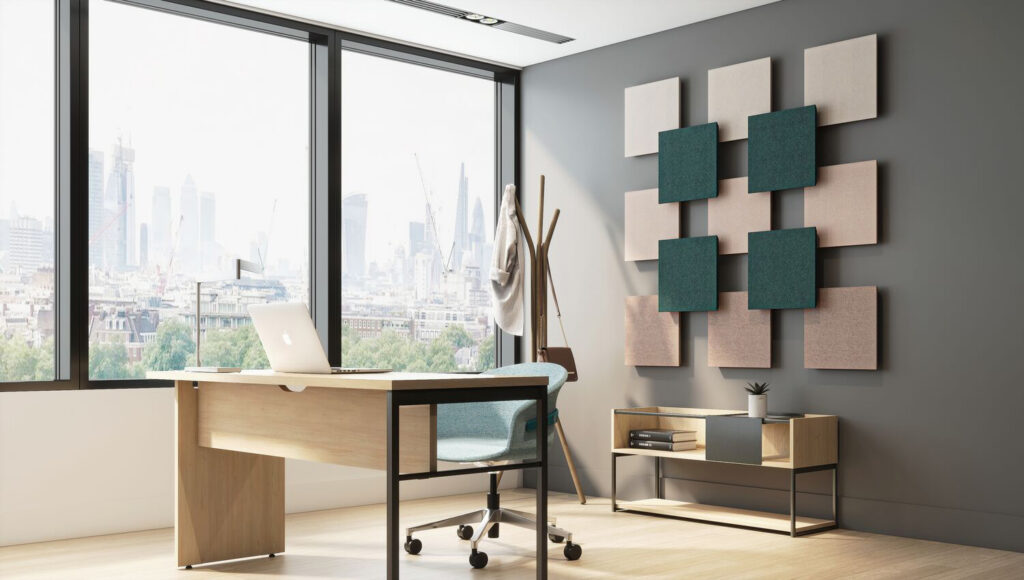
We design for people first. Ergonomics isn’t just a box we check; it’s embedded in how we think about every surface, seat, and sightline. We choose office furniture made from materials that are environmentally friendly because what surrounds us affects how we feel. We prioritize access to natural light and fresh air because those aren’t luxuries, they’re necessities. And we find ways to bring nature into the built environment through biophilic design, knowing that a few touches of greenery can transform a space.
Moving Beyond Density
For years, the dominant trend in workplace strategy was compression. More people + less space = maximum utilization. It was a model built on metrics that prioritized occupancy but neglected experience.
We’re seeing a different approach take hold now. Instead of packing people in, organizations are spreading out. Not by acquiring massive new footprints, but by using space more thoughtfully. Distributed teams and flexible models allow for decompression, giving people room to breathe, both physically and cognitively. It’s not about having more real estate. It’s about making the real estate you have work harder for the people who use it.
Choice as a Design Principle
No two jobs are the same, nor are the people doing them. Some tasks require deep, uninterrupted focus. Others thrive on spontaneous exchange and creative friction. A single desk type or room configuration can’t possibly serve every need.
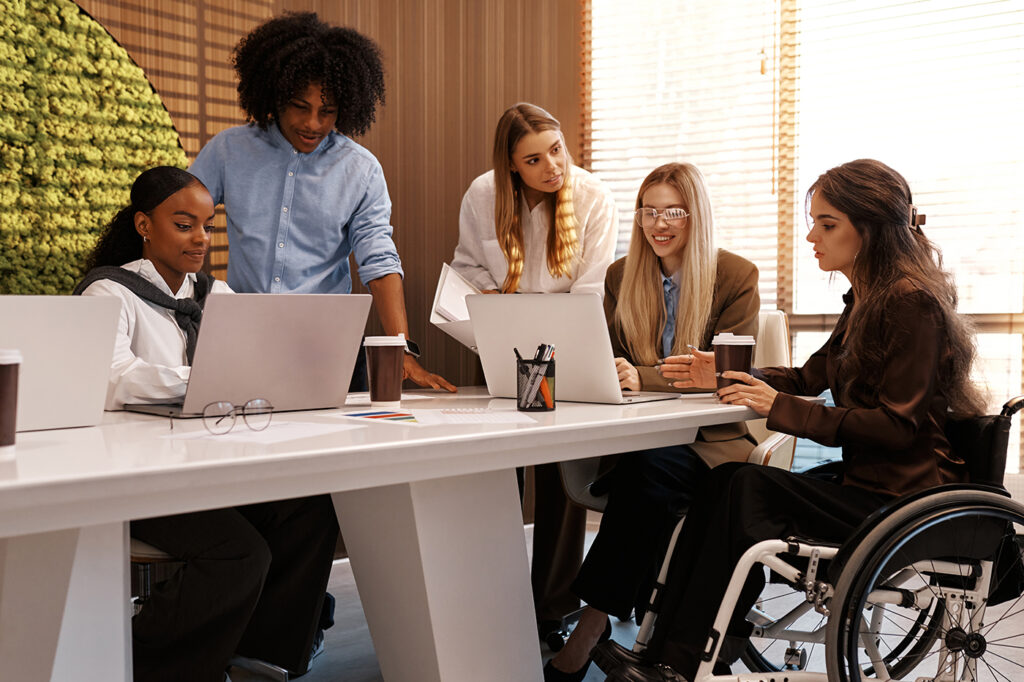
That’s why we build variety into everything we do. Our solutions span the entire ecosystem of work: solo focus settings, small team gatherings, community hubs, privacy pods, and everything in between. Technology ties it all together, ensuring that whether someone is physically present or connecting from elsewhere, the experience is equally seamless. Because equity isn’t just about policy. It’s about how the room feels when someone walks into it.
Spaces That Adapt to People, Not the Other Way Around
Rigid spaces force people to conform. Adaptive spaces free them up to work naturally.
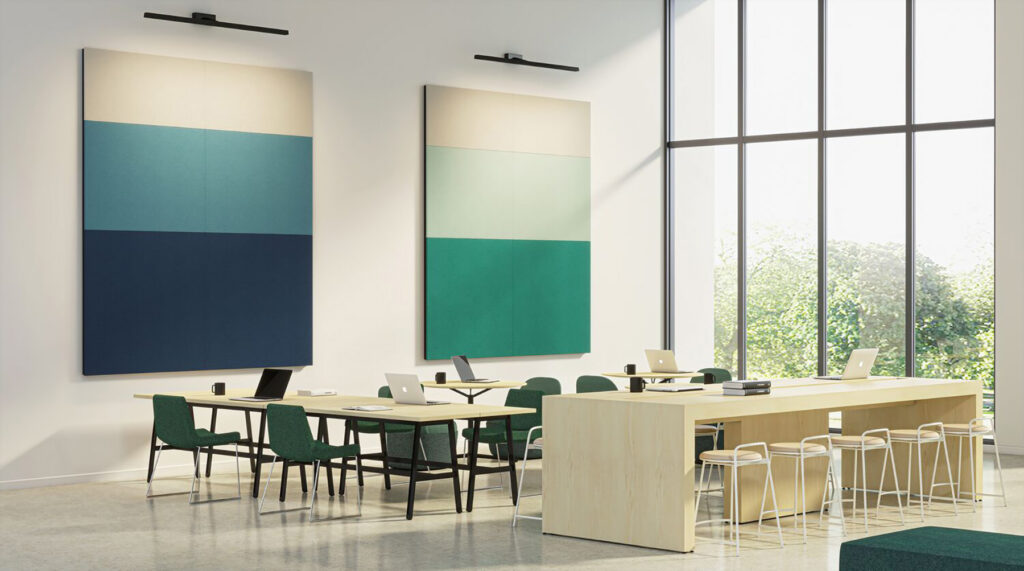
A gathering area that hosts a collaborative session in the morning might become a quiet refuge for focused work in the afternoon. No furniture reconfiguration required. No disruption. Just intuitive design that accommodates whatever the moment calls for. This fluidity strengthens how teams connect and how ideas travel without forcing people into predetermined behaviors.
Warmth, Welcome, and Room to Withdraw
Work Isn't One Place Anymore
We know that the physical office remains an important part of the work landscape. But we also know that it’s no longer the only part. Work happens in home offices, in coworking lounges, in public spaces, and on the move. That means thinking holistically. Designing for the full spectrum of human activity. And remembering that at its best, work isn’t defined by where you are, but by how supported you feel in getting it done.
If you need assistance designing your office to be more flexible and adaptable, COREoi is here to help.